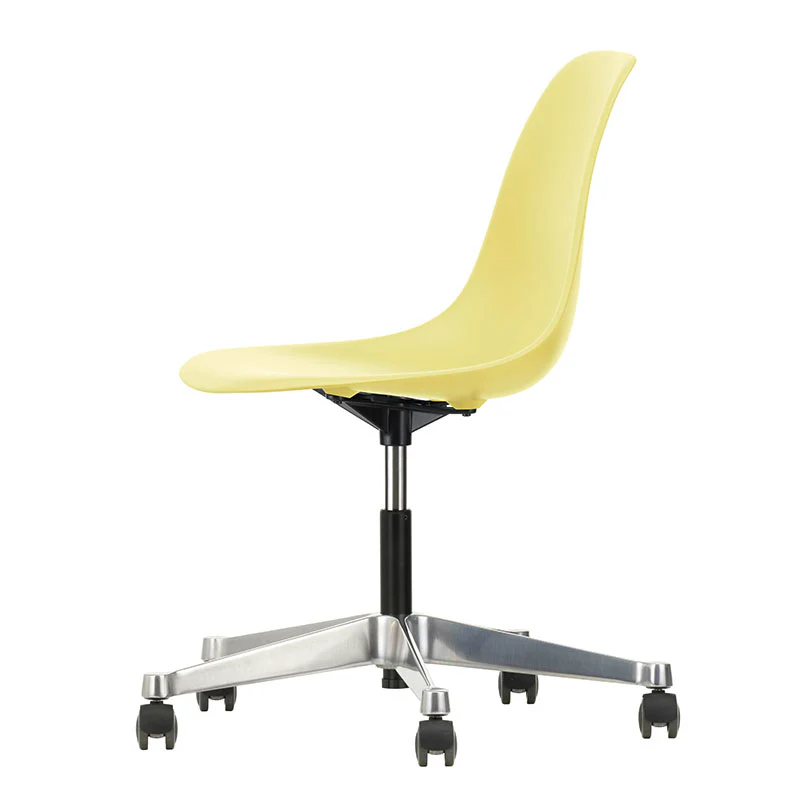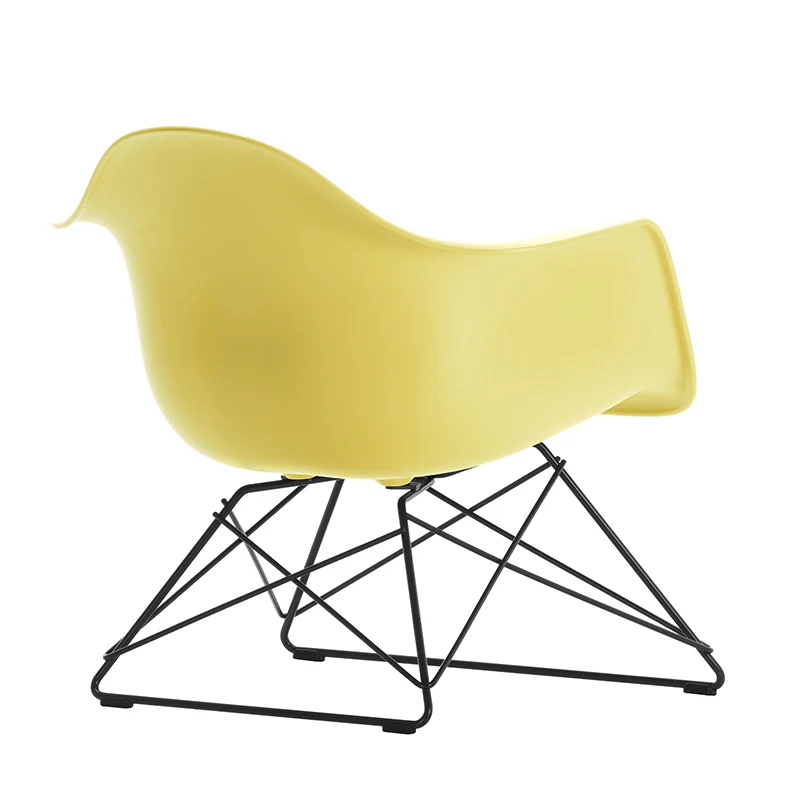
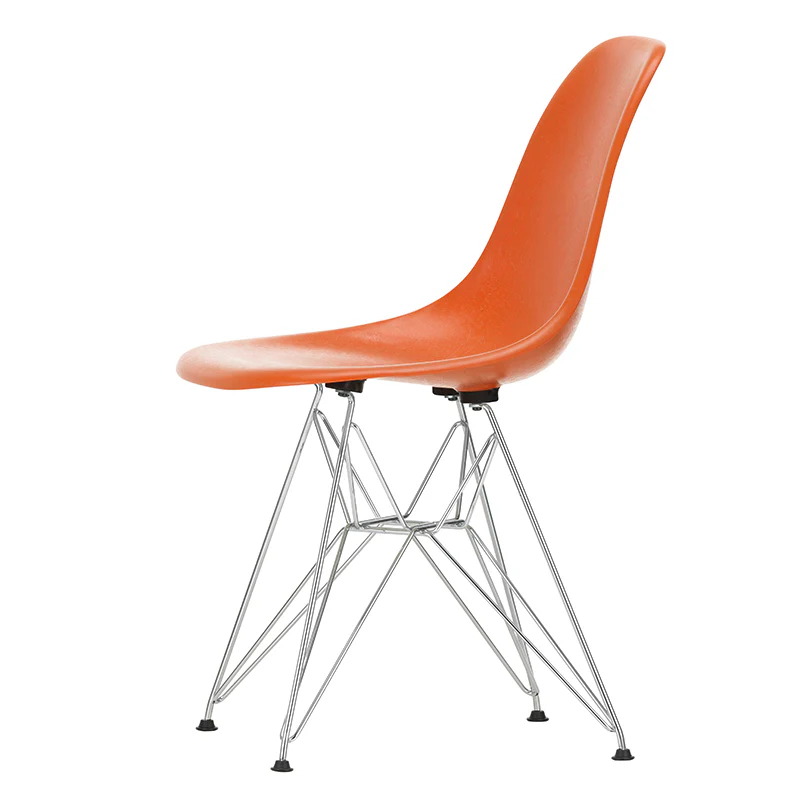
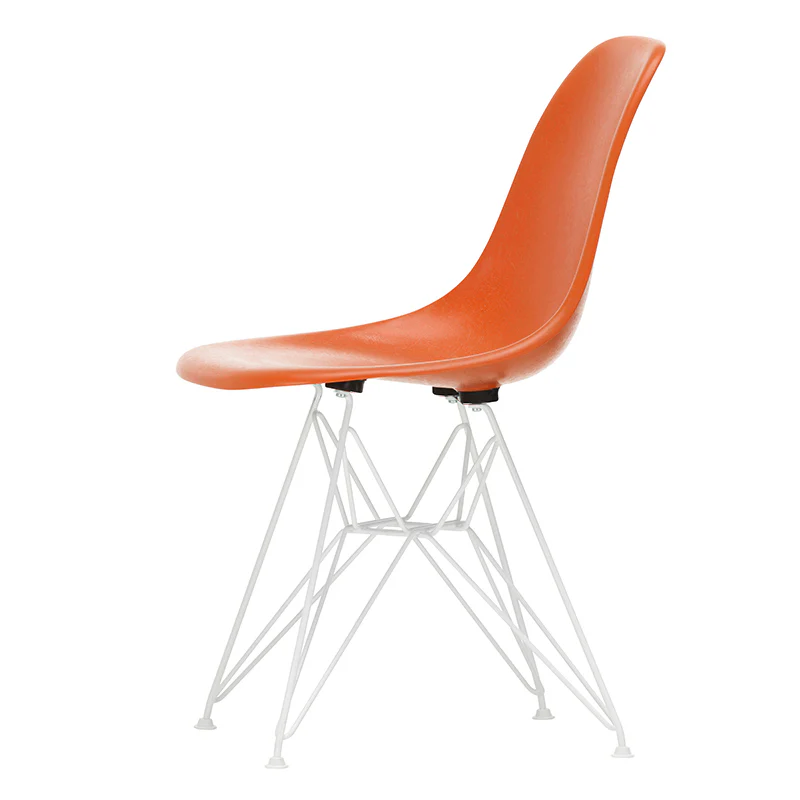
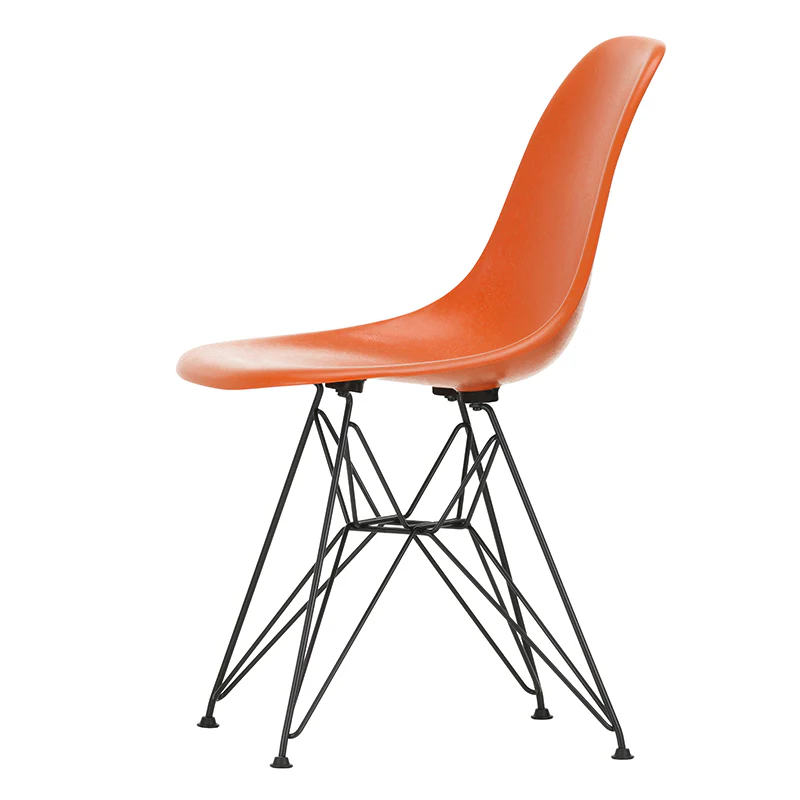
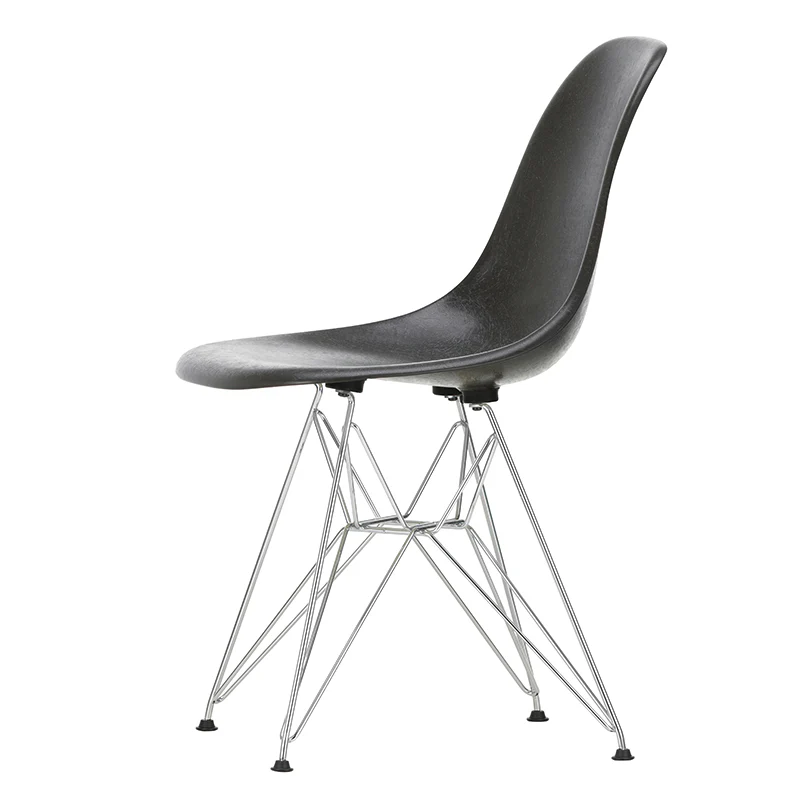
Vitra Eames Fiberglass Side Chair DSR
Manufacturer: Vitra
Designer: Charles & Ray Eames 1950
This is an original genuine Vitra piece.
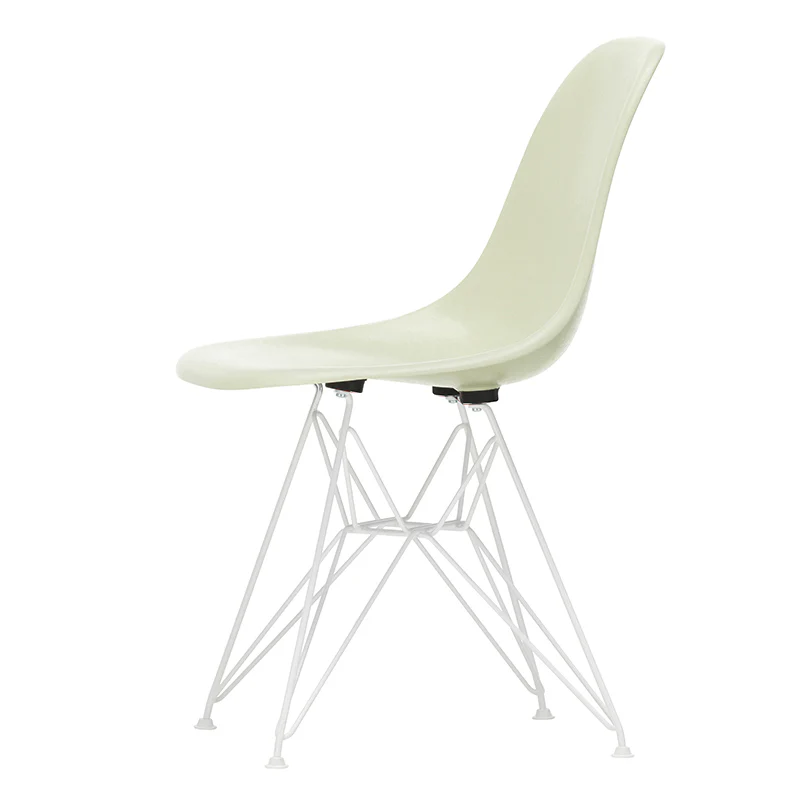
In 1948, Charles and Ray Eames participated in the 'International Competition for Low-Cost Furniture Design', organised by the New York Museum of Modern Art, entering a chair with a seat shell moulded to fit the contours of the human body along with a concept for a variety of bases. Their design won second prize. However, the metal seat shell proved too complex and expensive to achieve successful mass production.
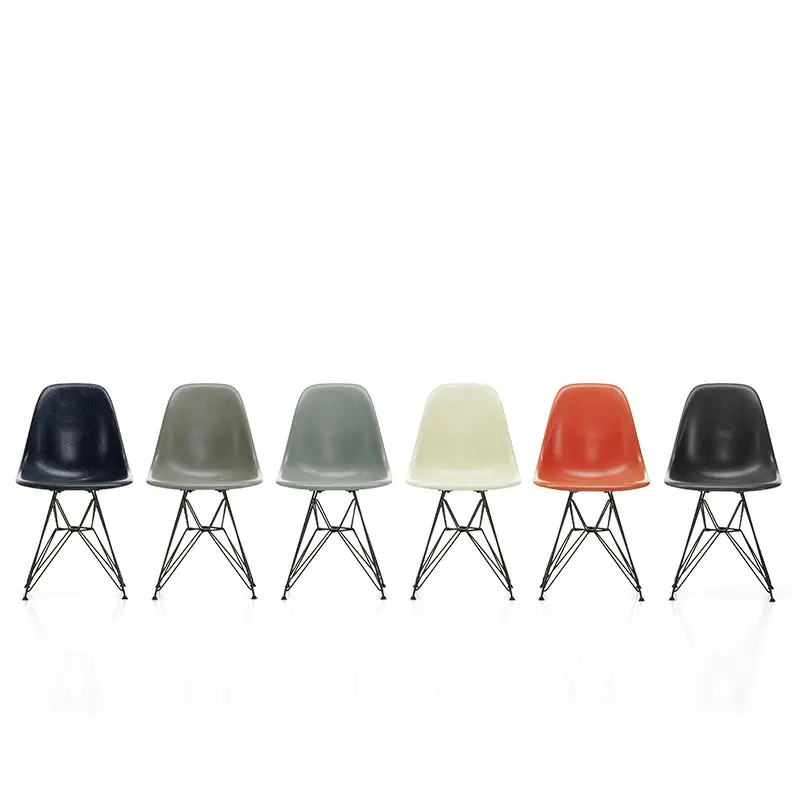
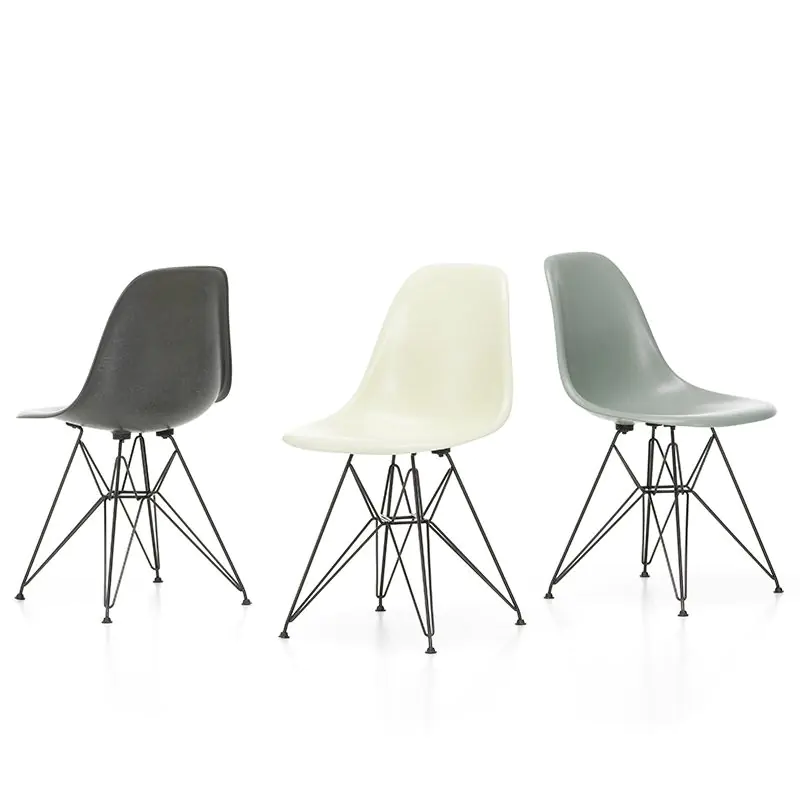
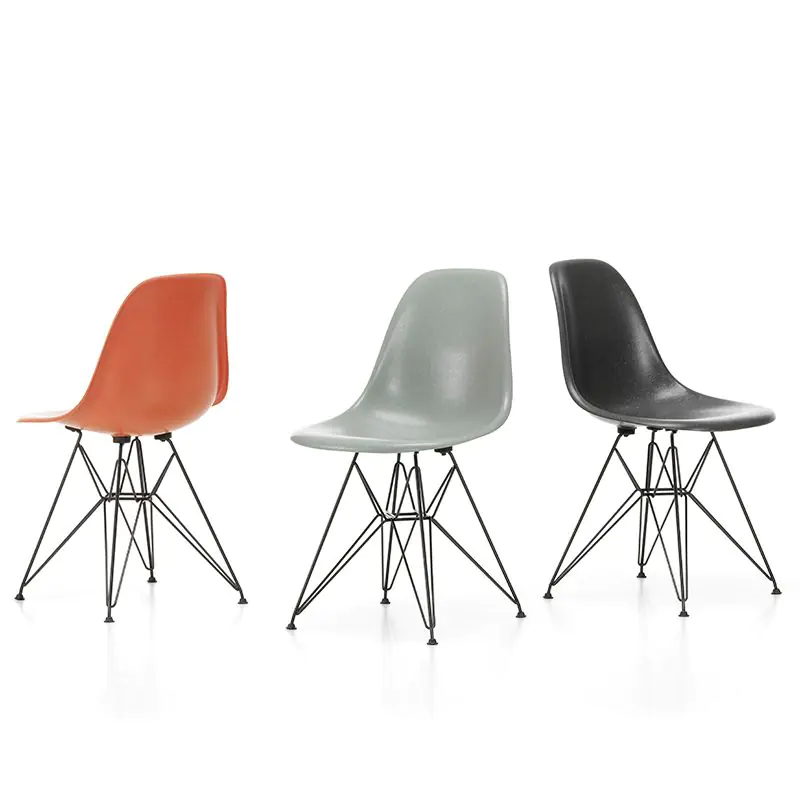
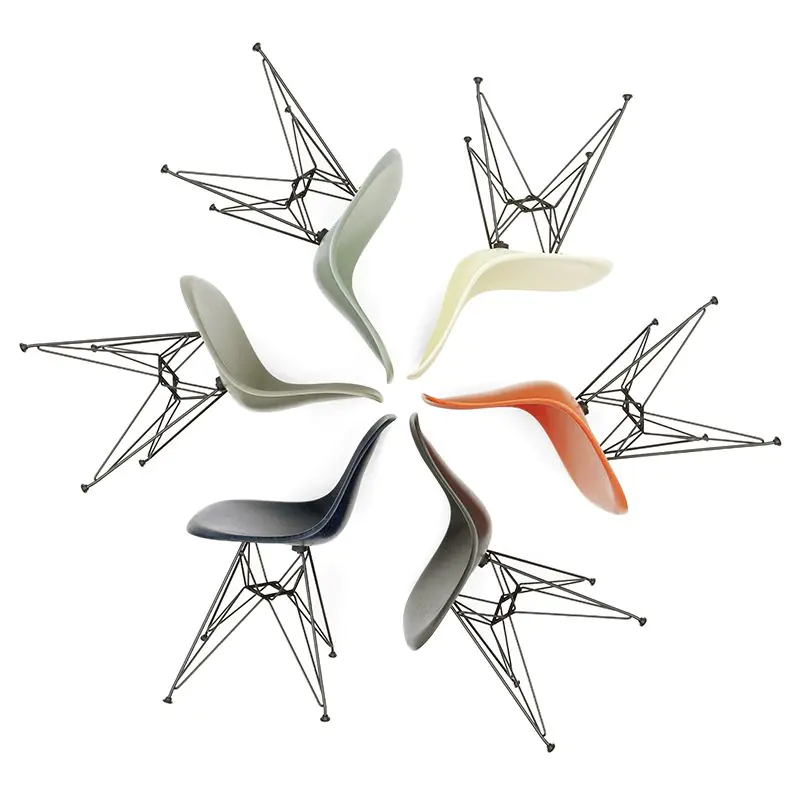
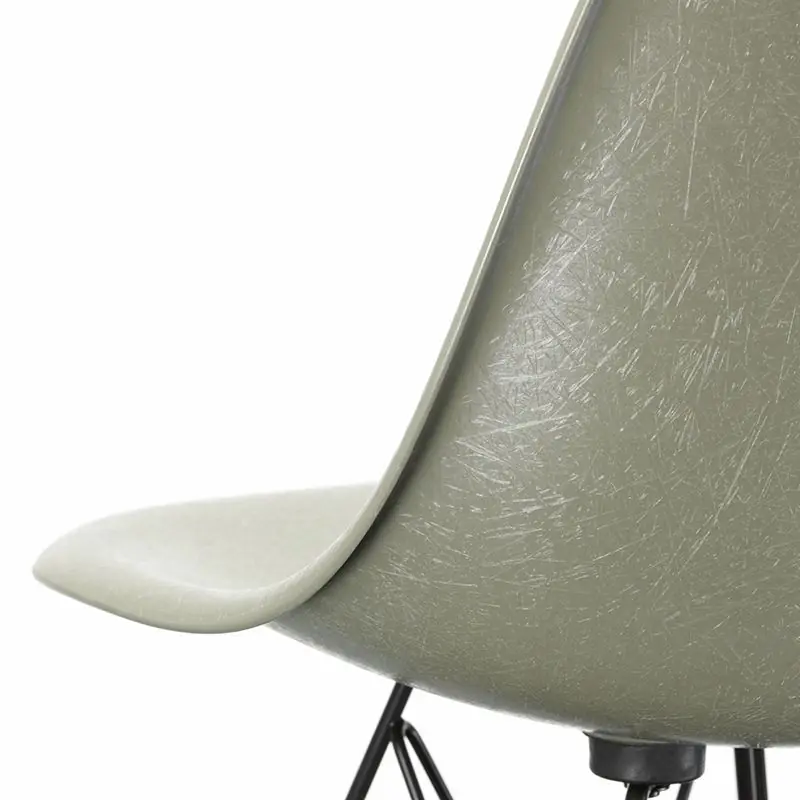
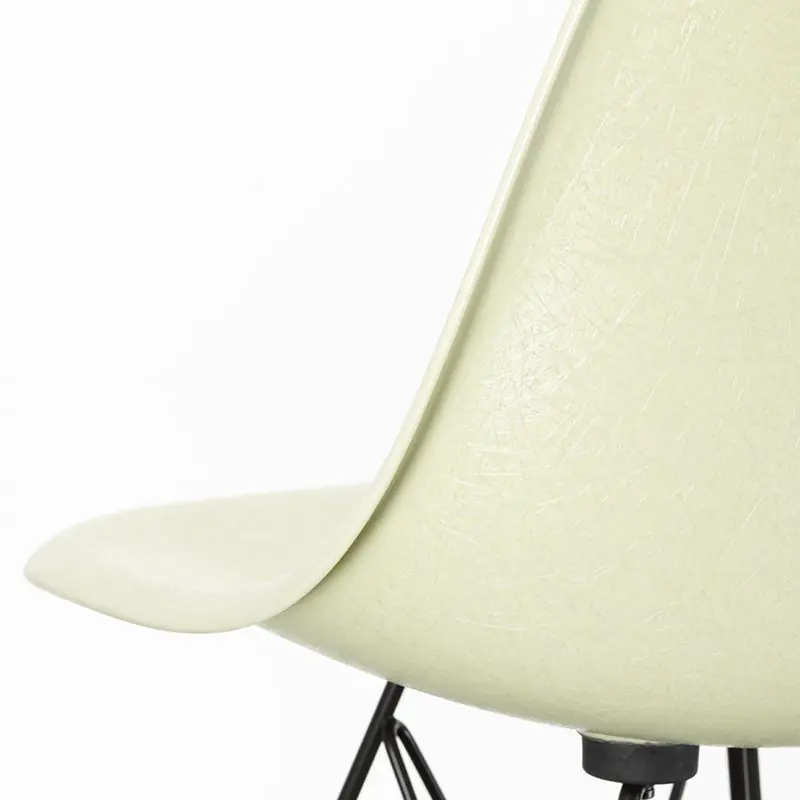
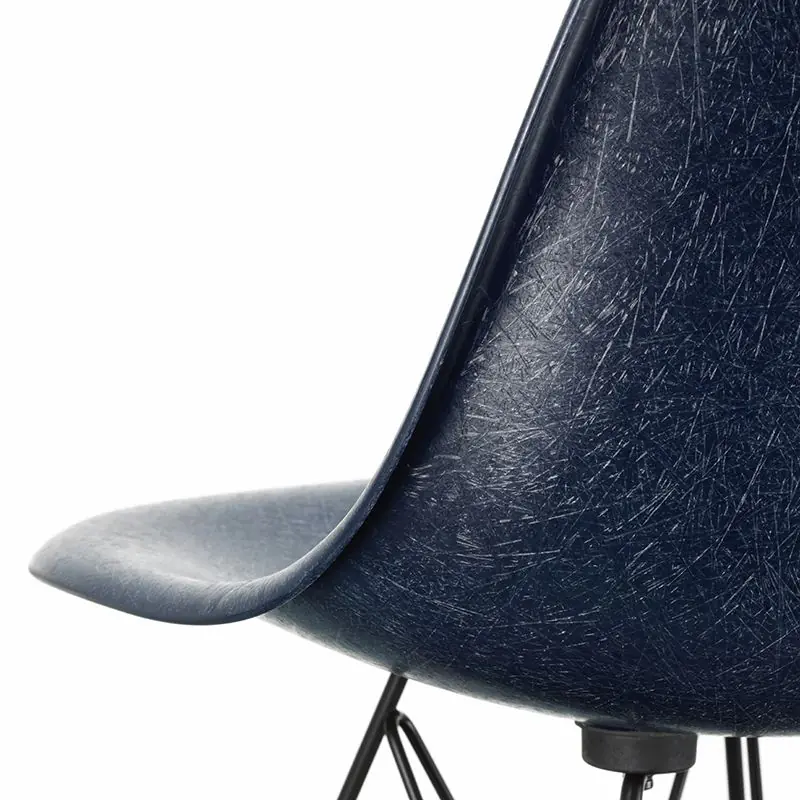
The couple's search for alternative materials eventually led them to glass-fibre reinforced polyester resin, which until then had been primarily restricted to military applications such as aircraft radomes and cockpit covers. The Eameses recognised and fully exploited the advantages of fibreglass: mouldability, rigidity and suitability for industrial manufacturing methods. With this material, which was previously unknown in the furniture industry, they successfully developed the moulded seat shells for mass production: the Fiberglass Chair was born. Its organically shaped, one-piece shell proved to be a much-admired innovation at a time when chairs typically consisted of a seat and backrest. Fibreglass offered the added advantage of pleasant tactile qualities and a perfectly moulded form for optimal comfort.
Product Information
Product Information
Shipping & Returns
Shipping & Returns
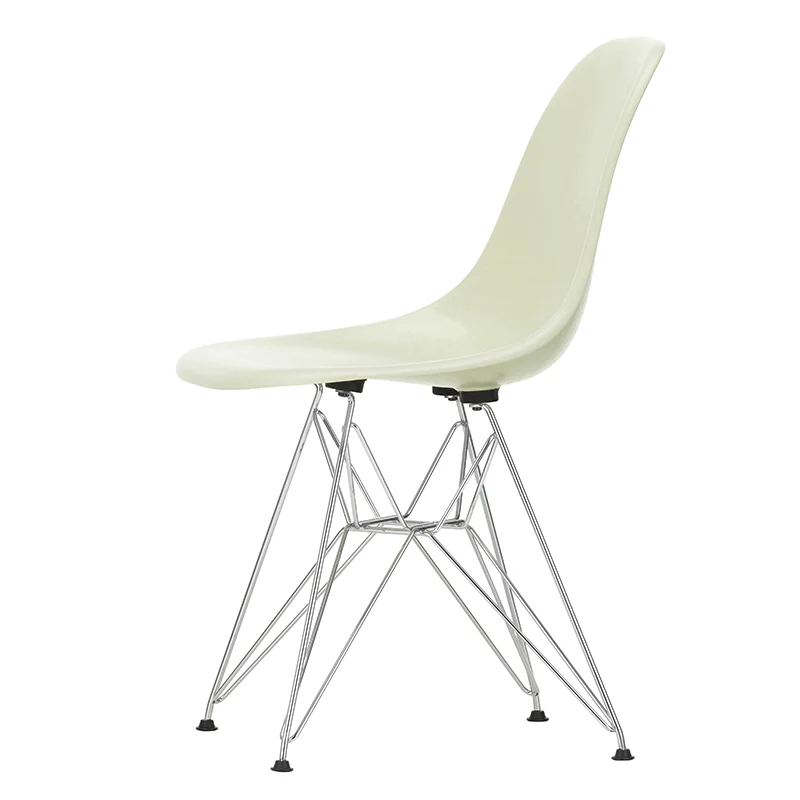
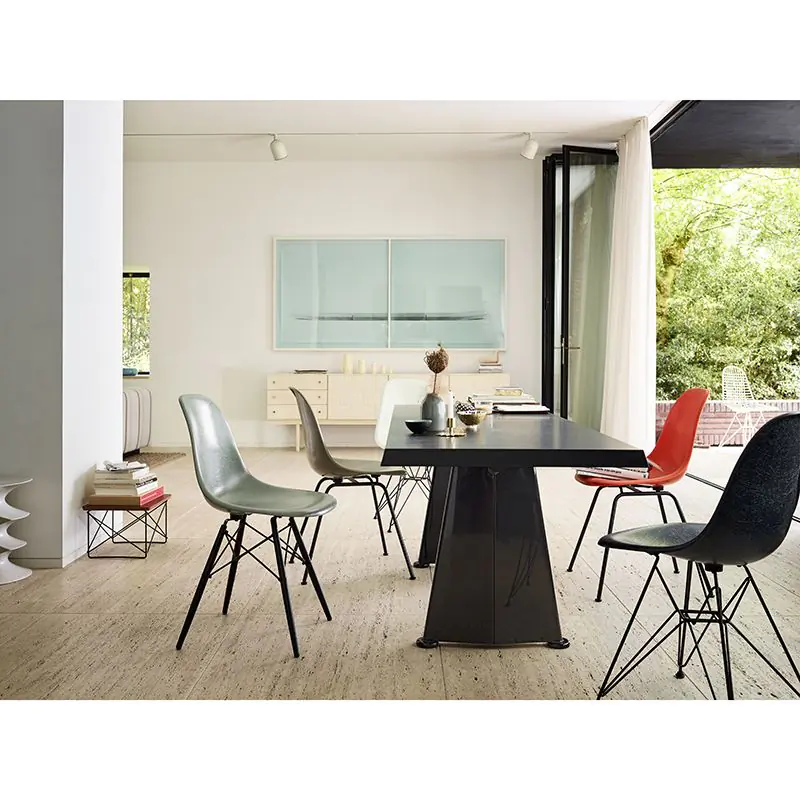
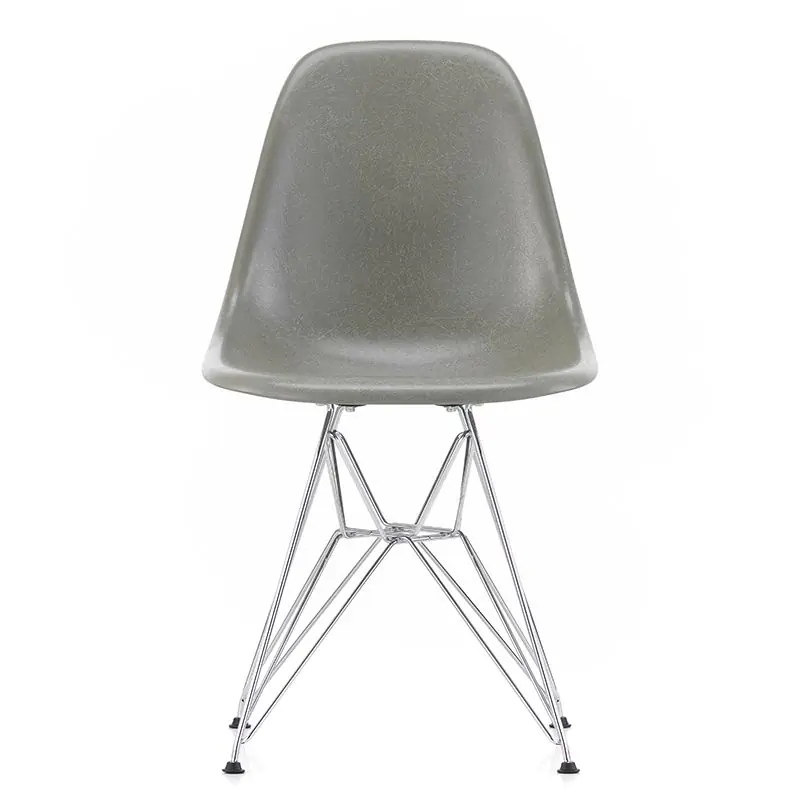
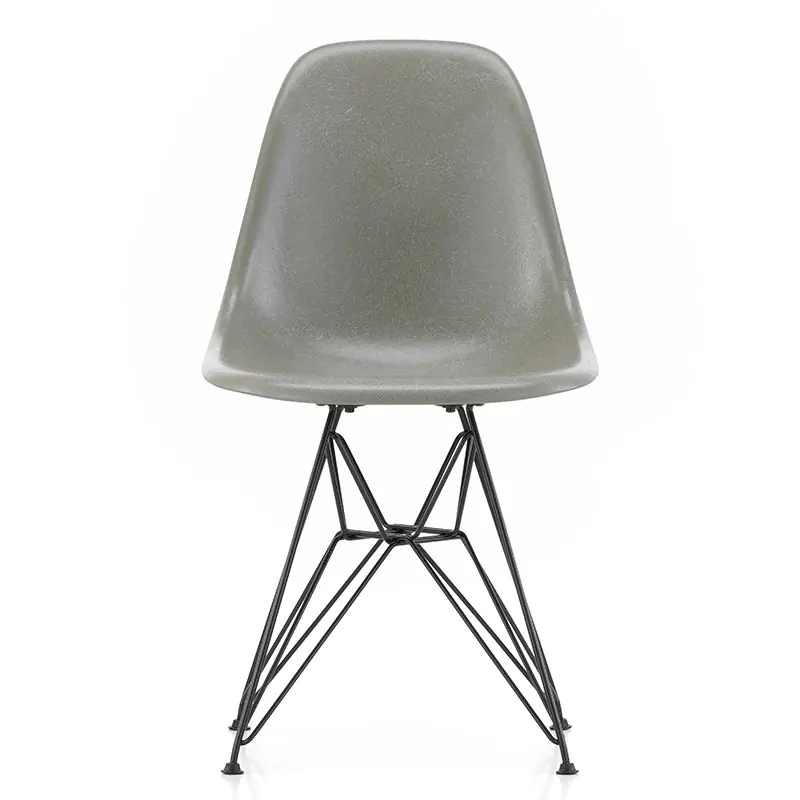
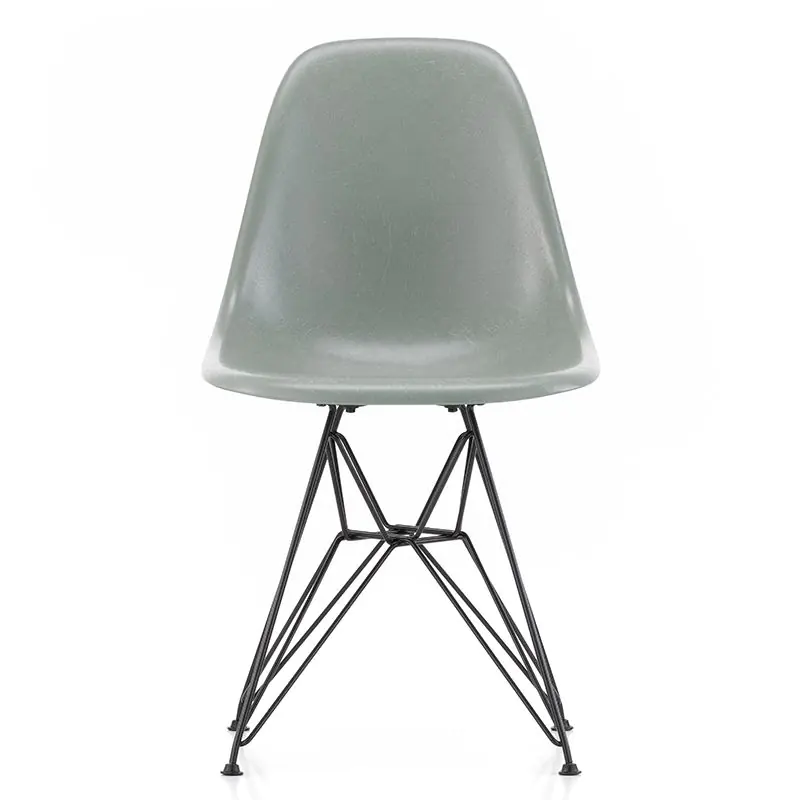
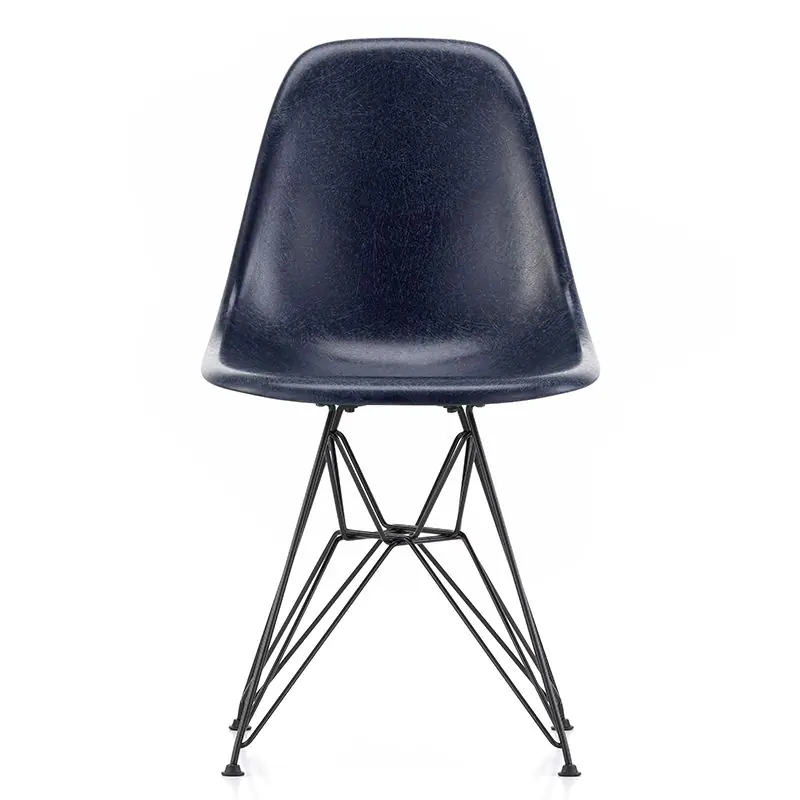
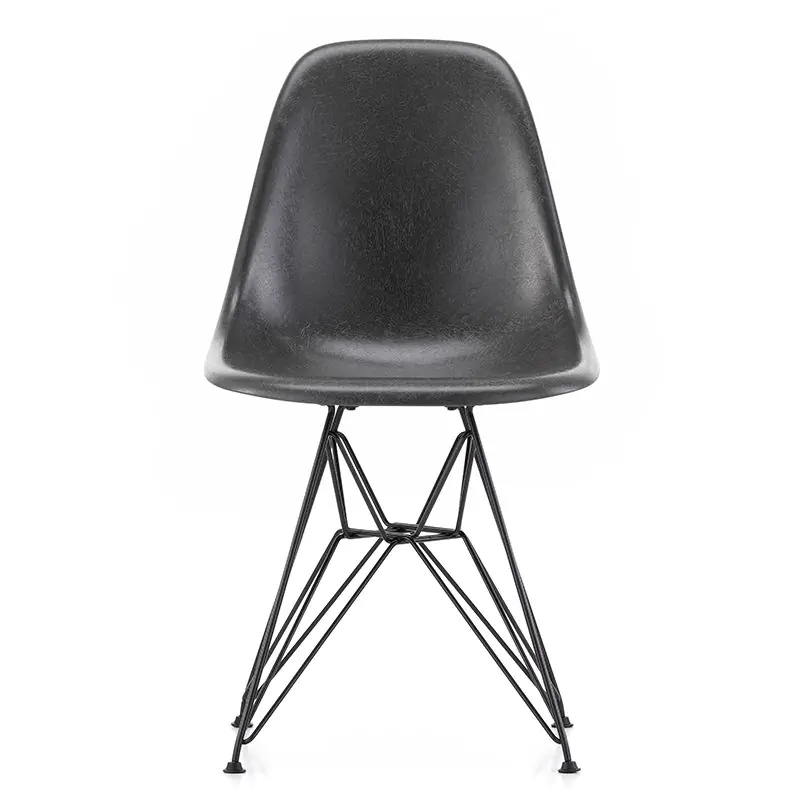
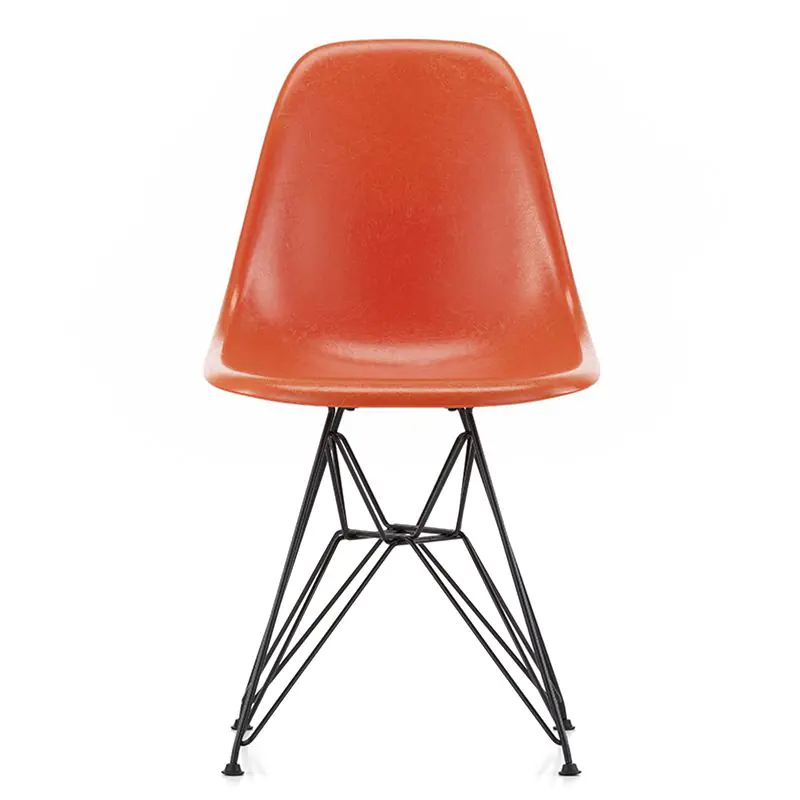
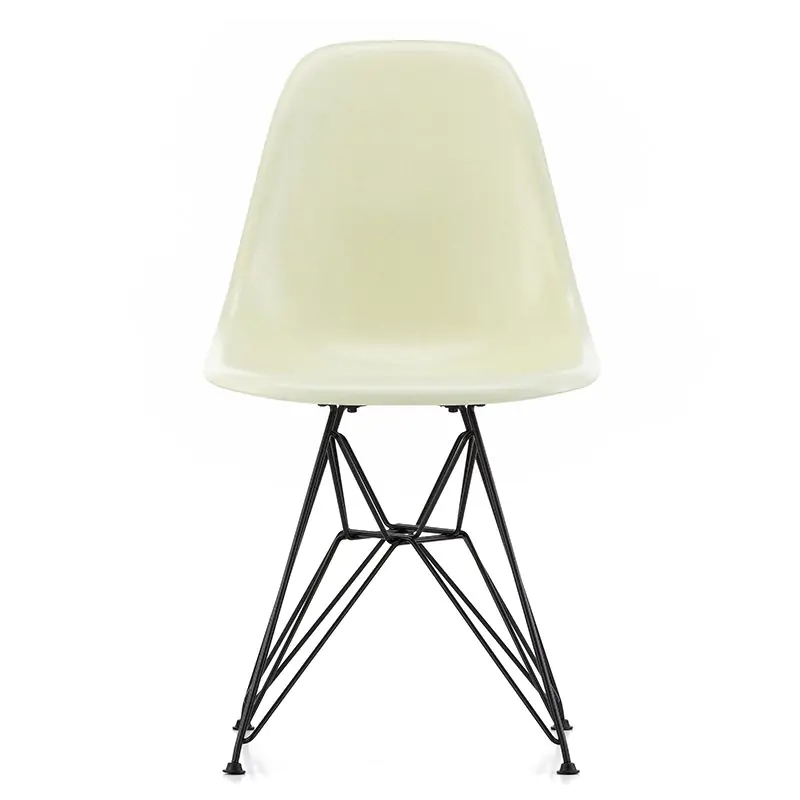
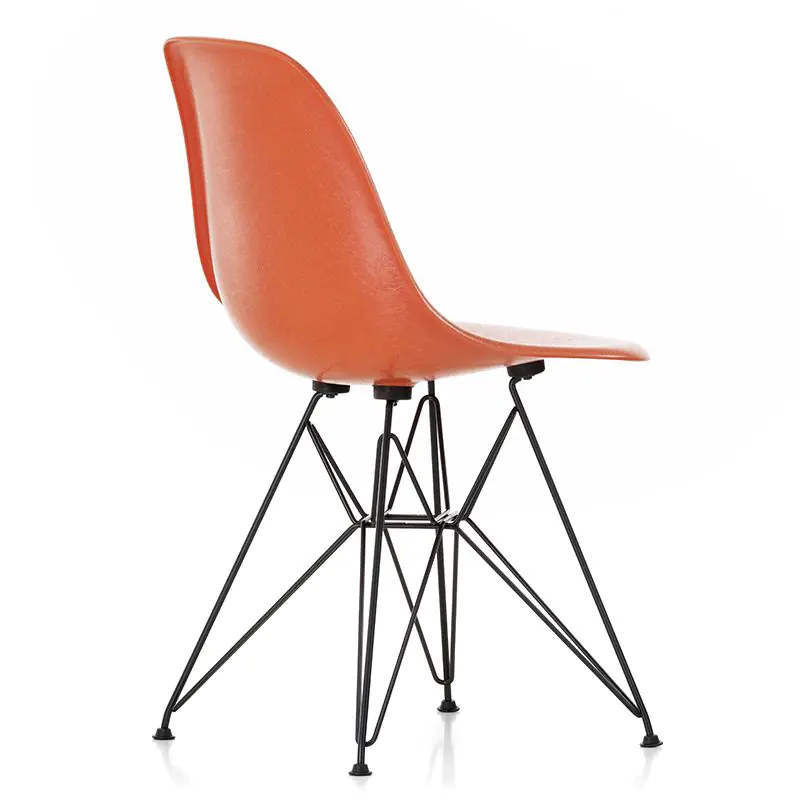
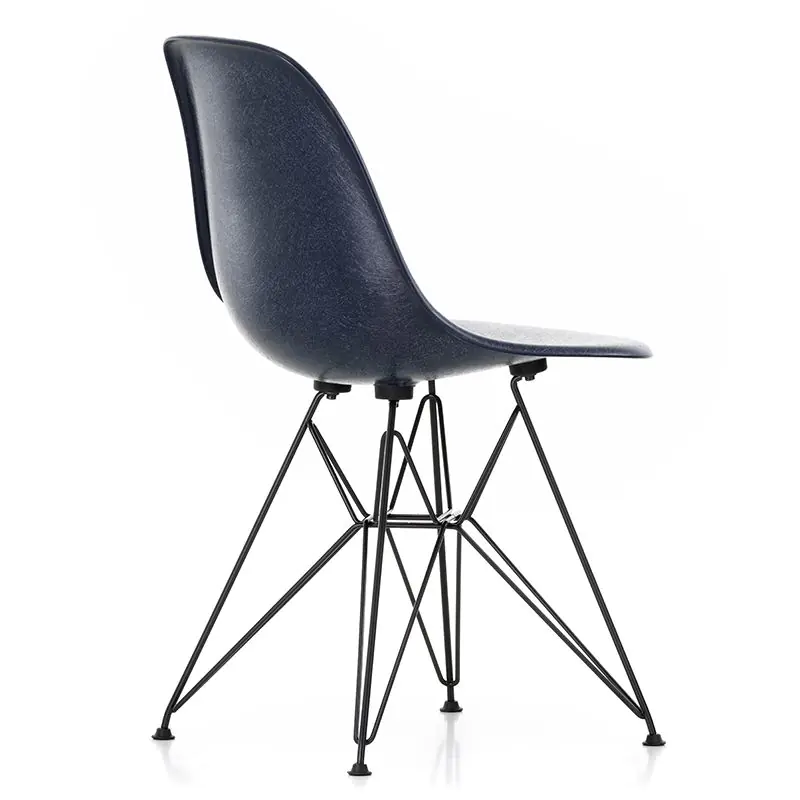
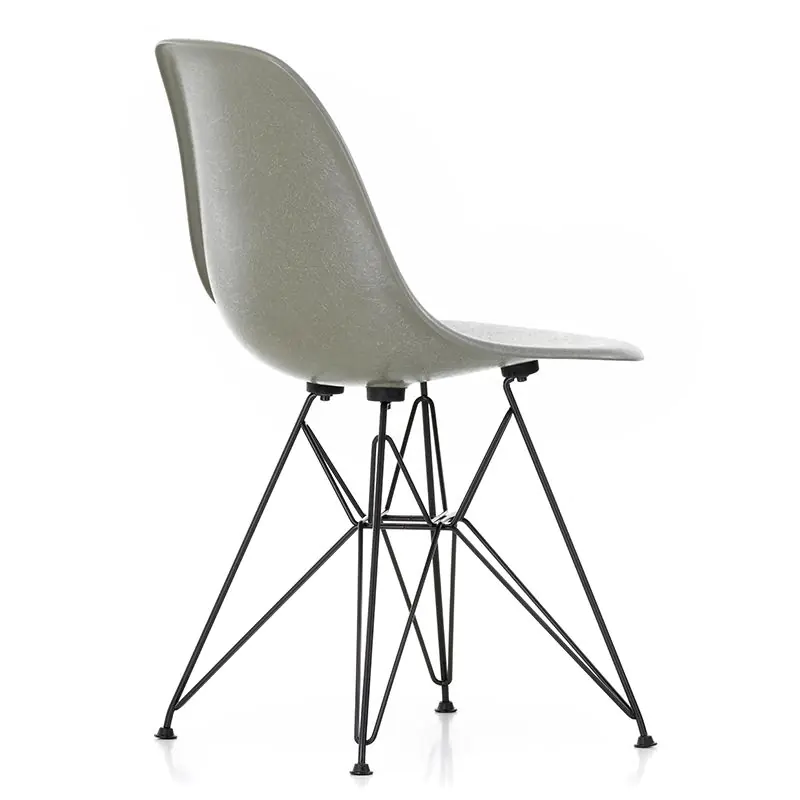
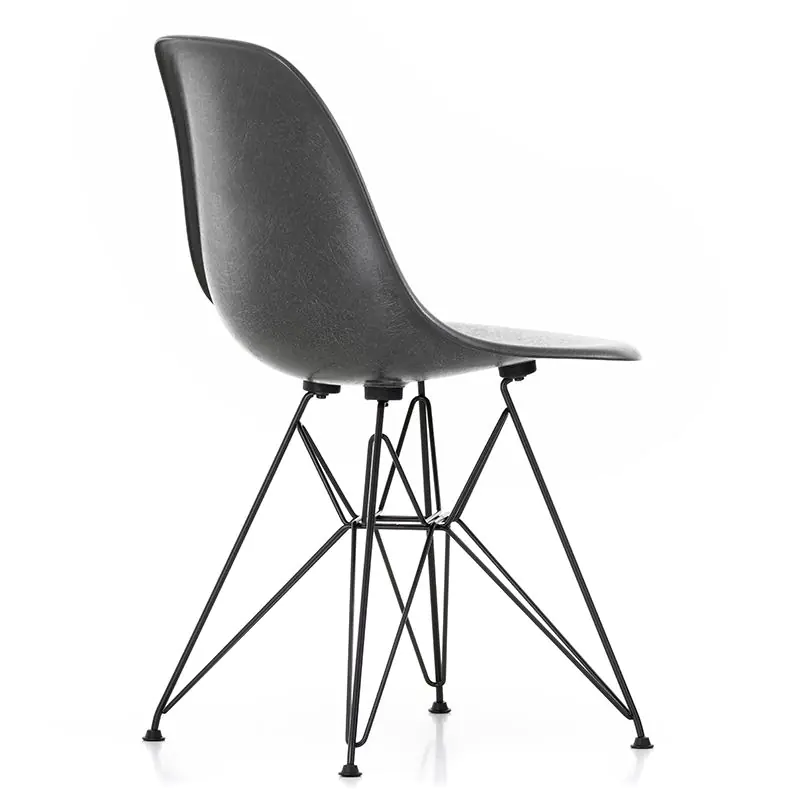
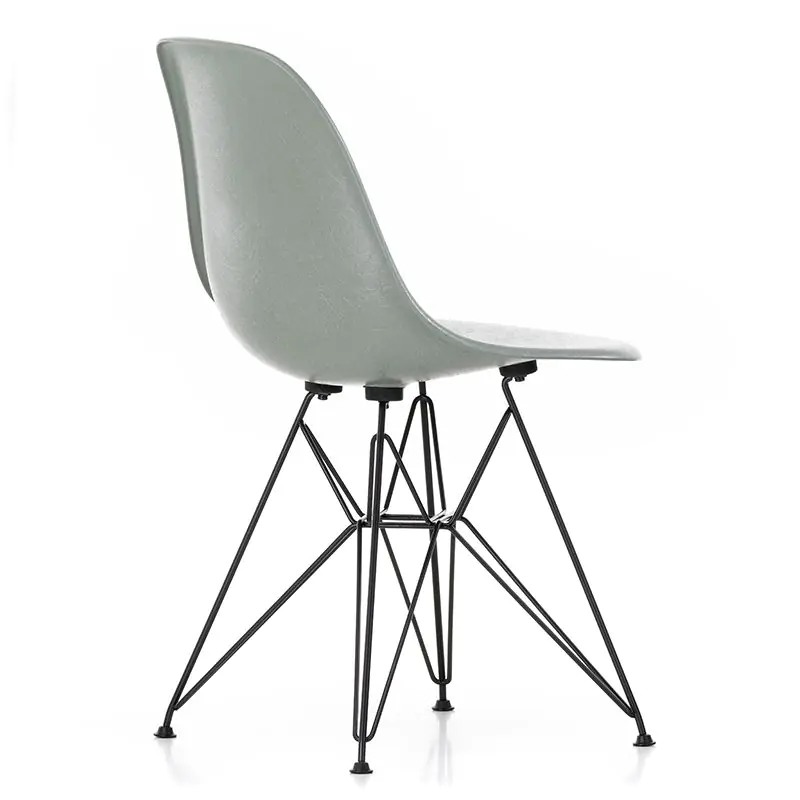
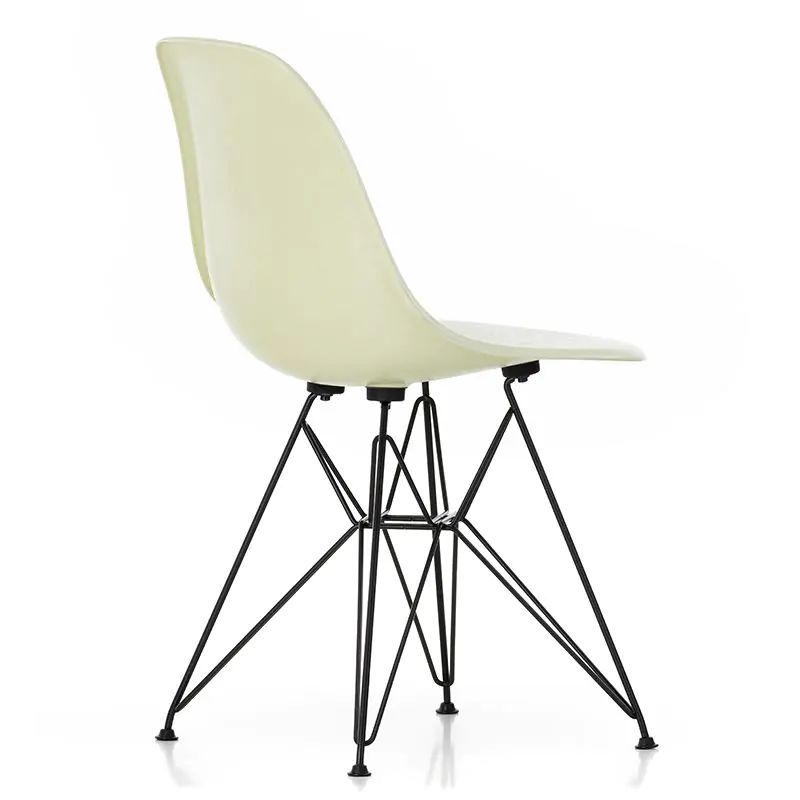
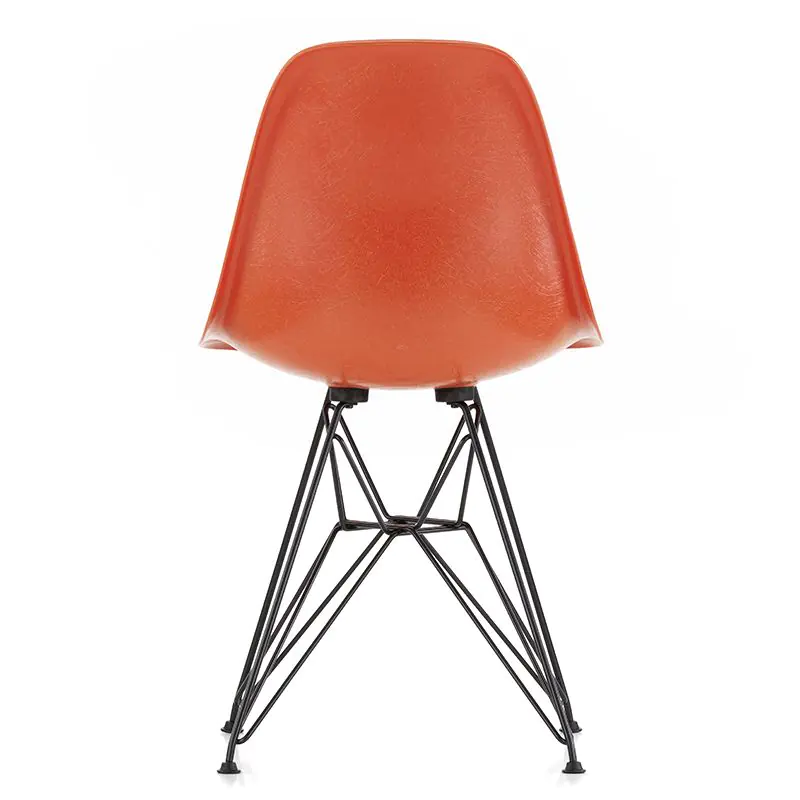
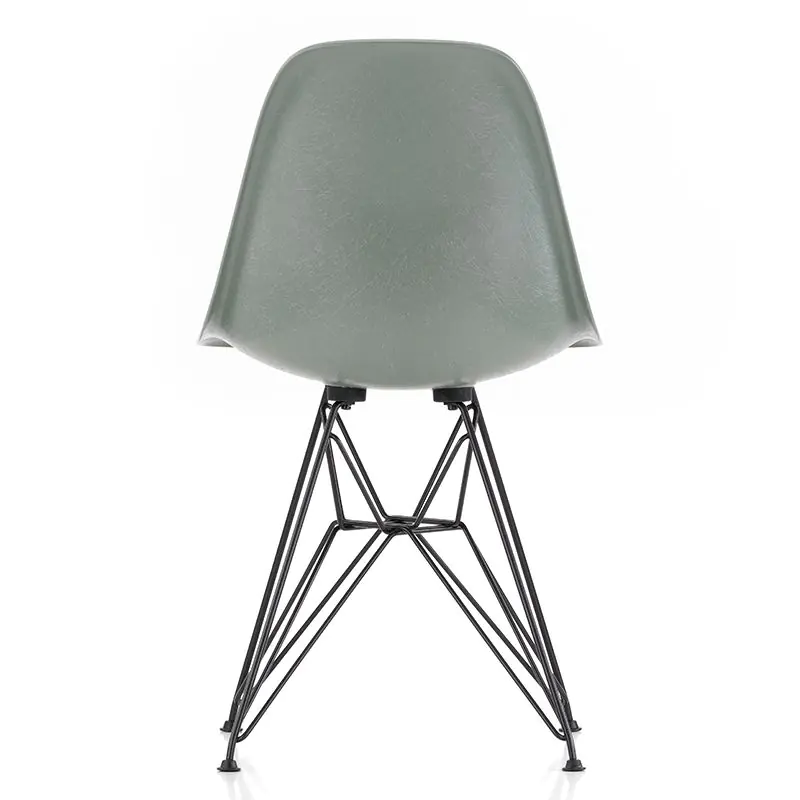
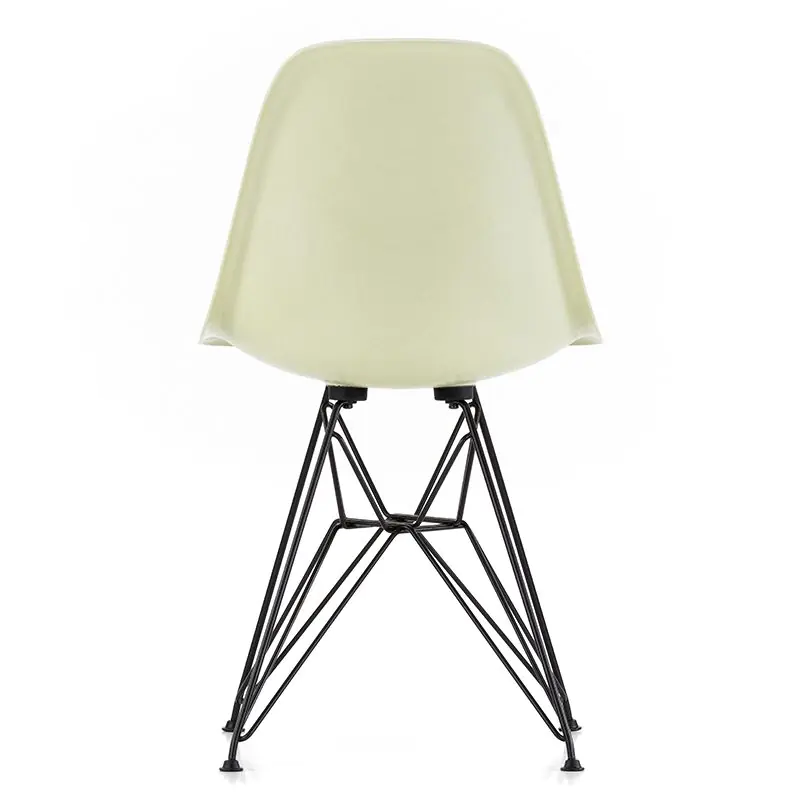
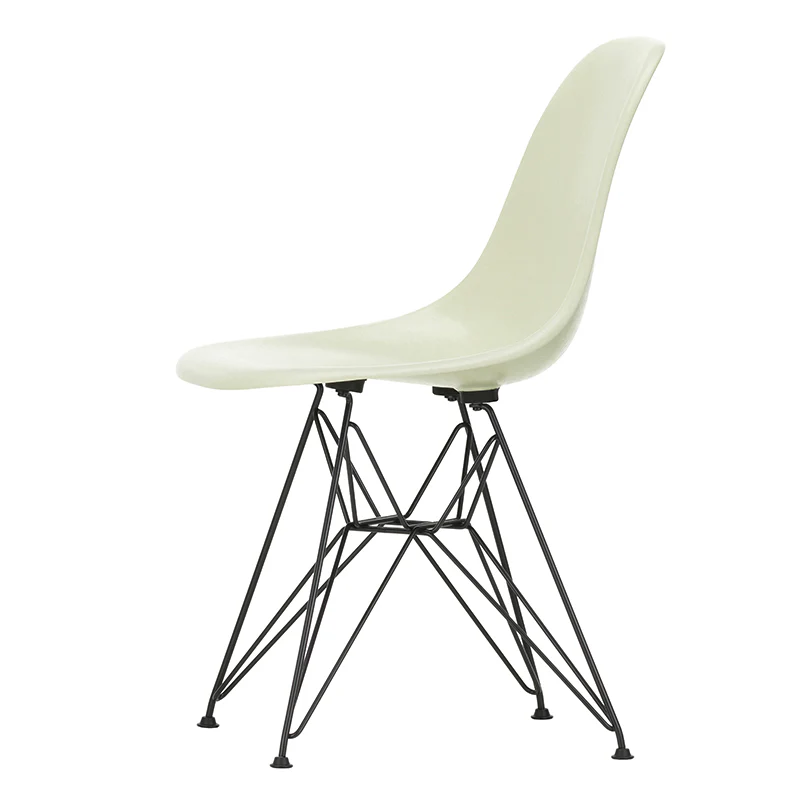
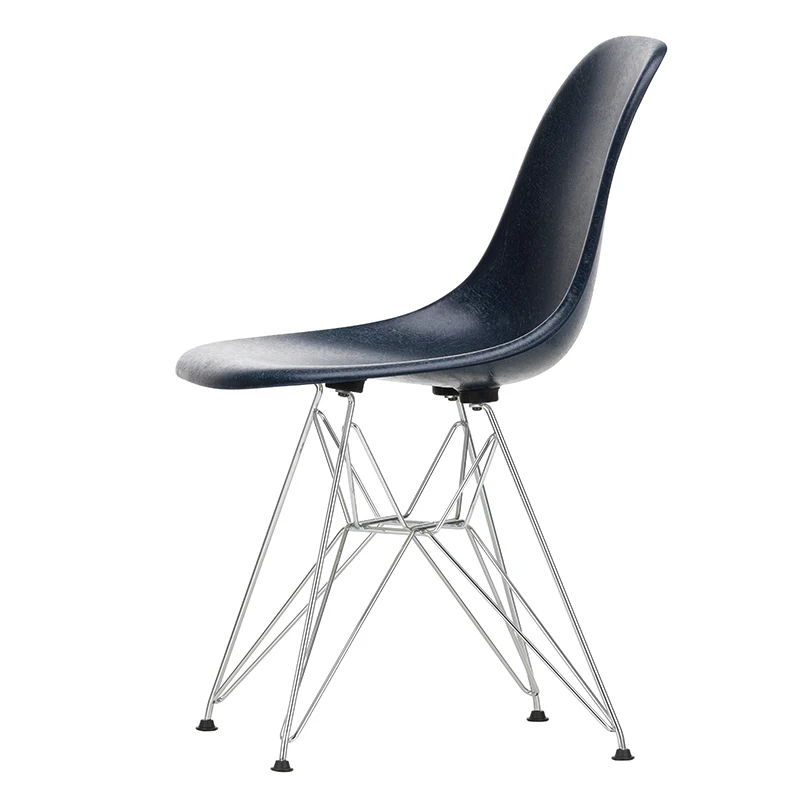
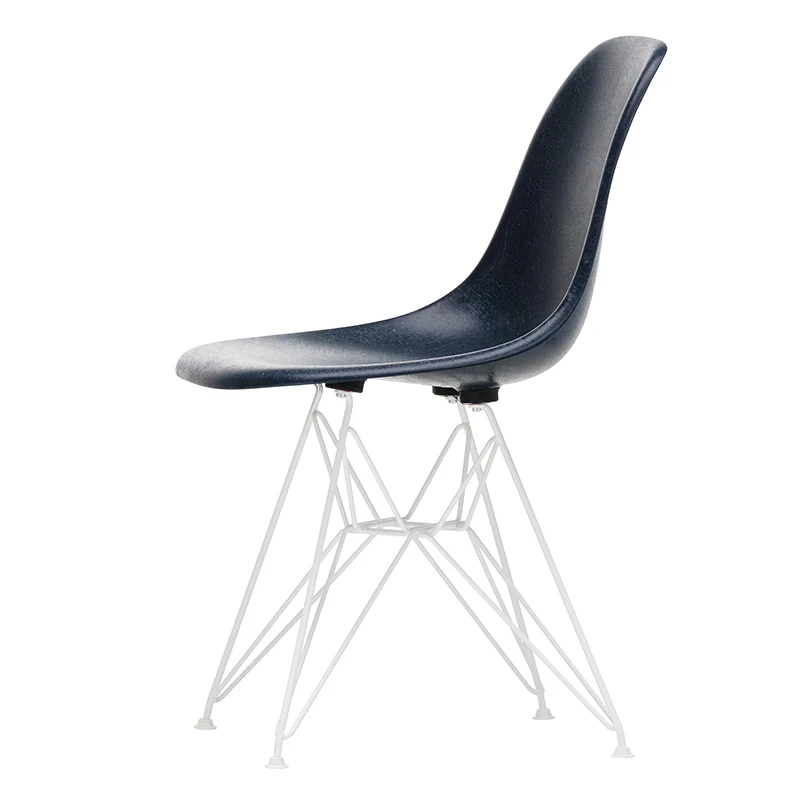
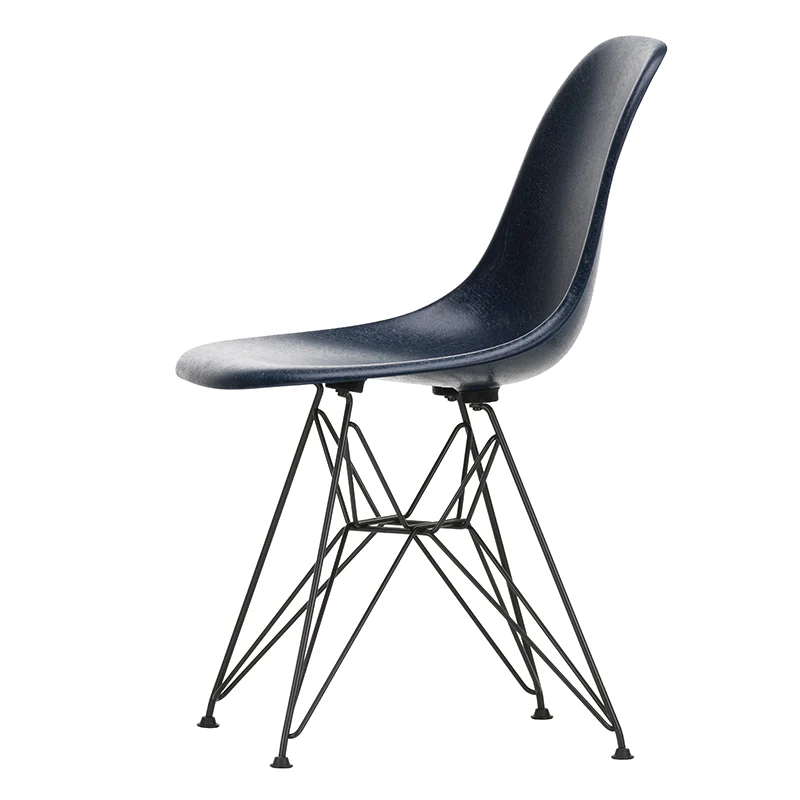
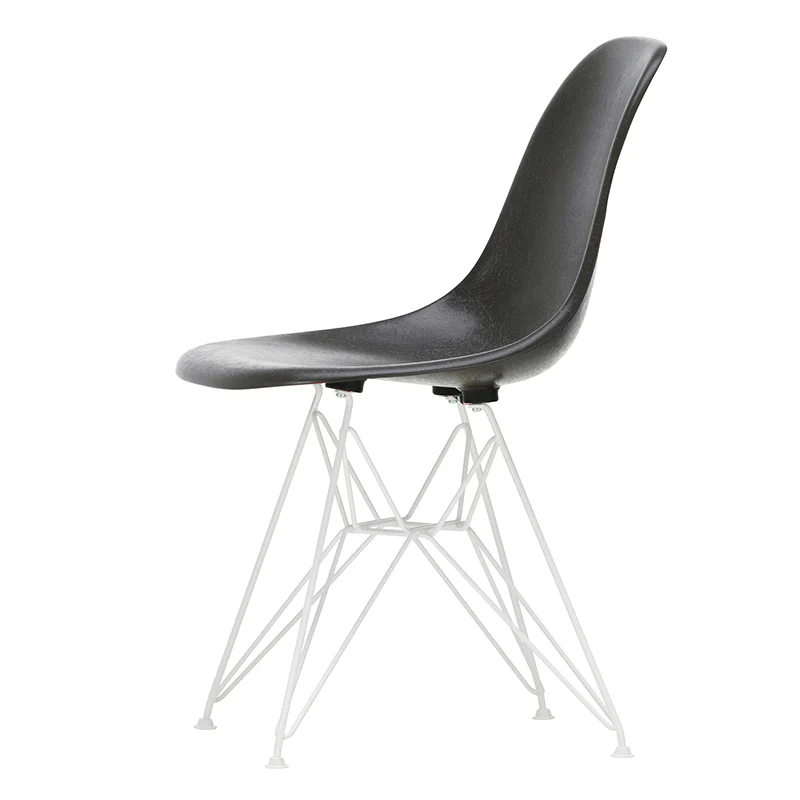
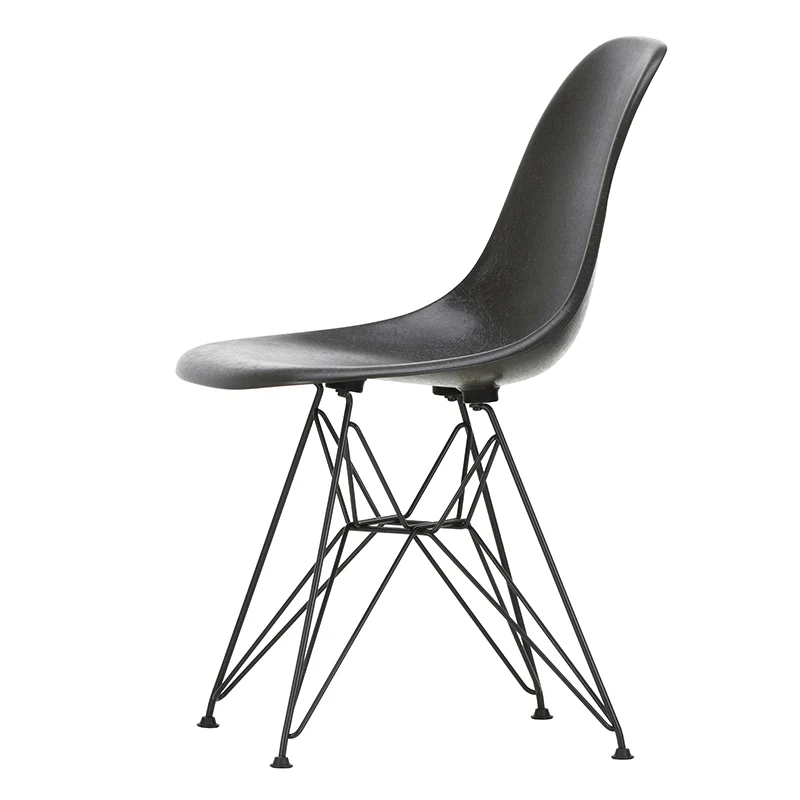
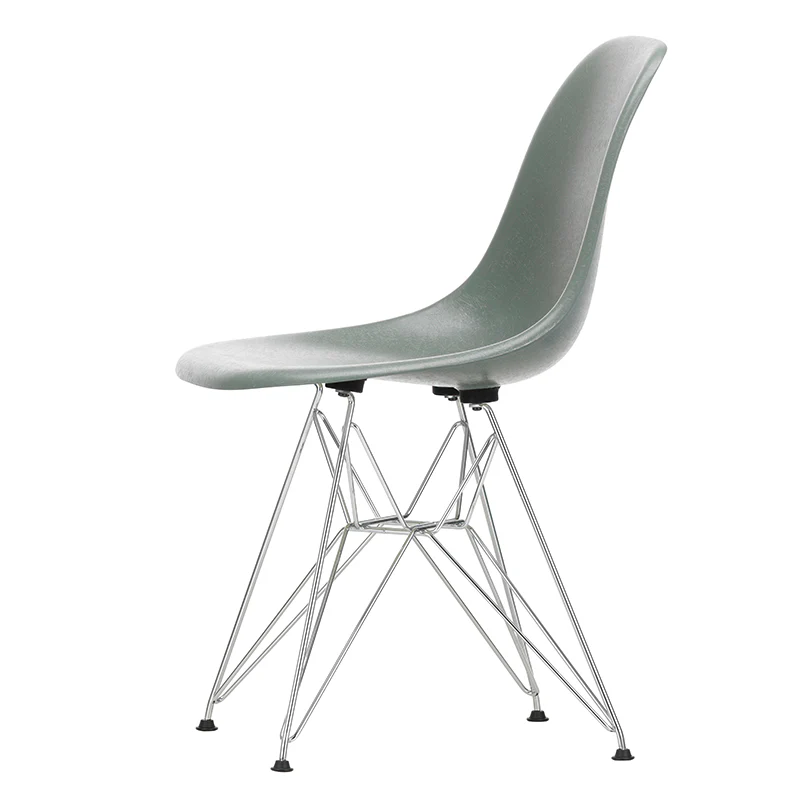
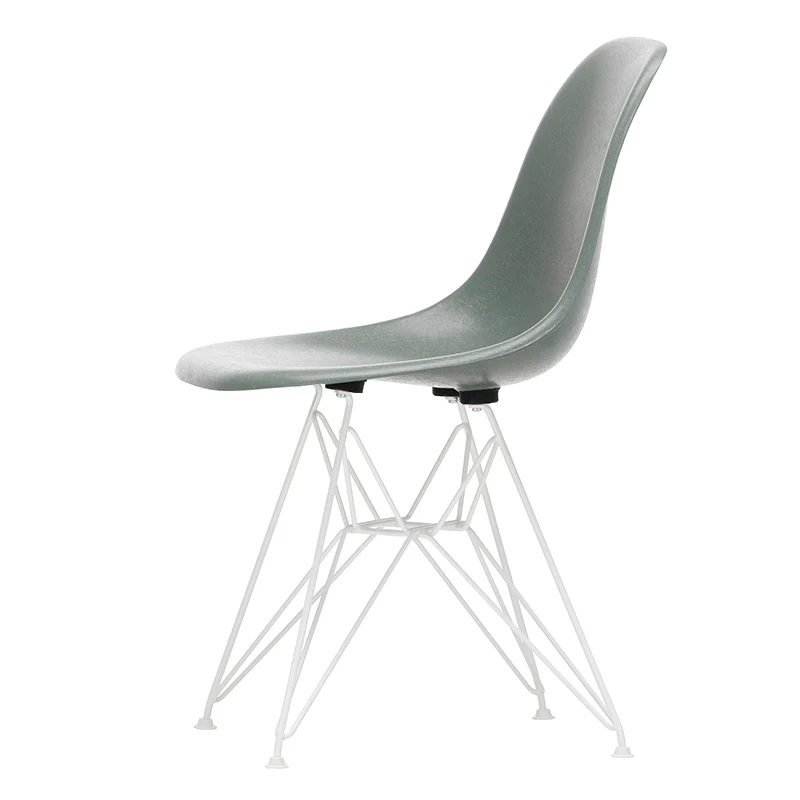
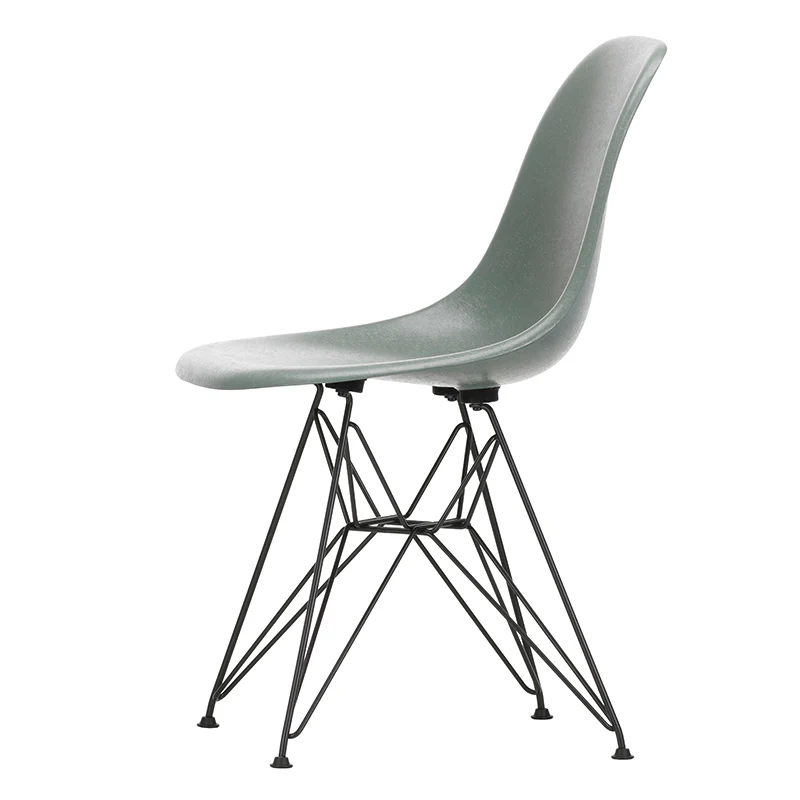
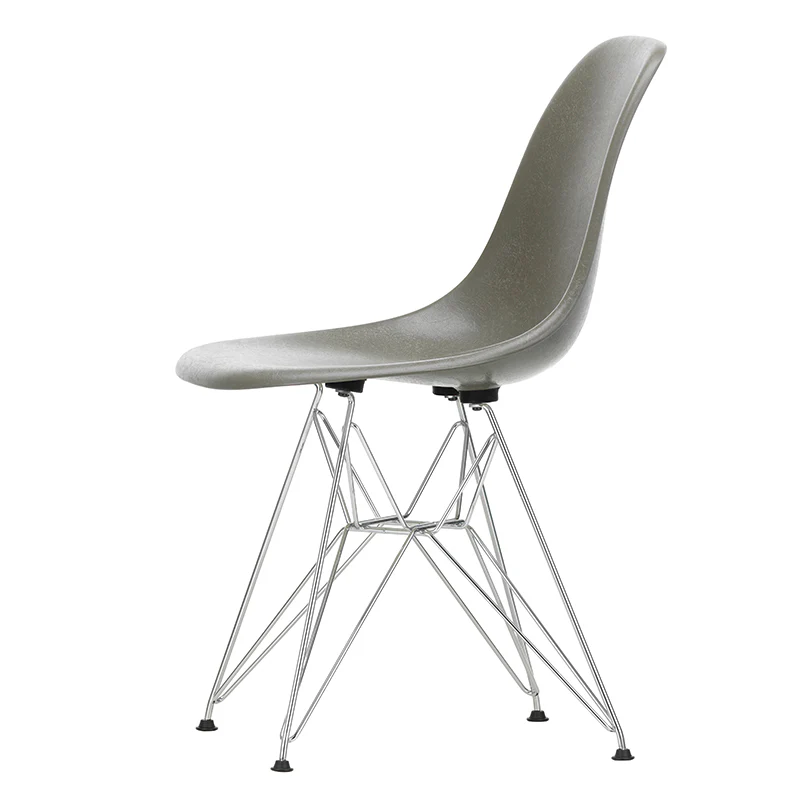
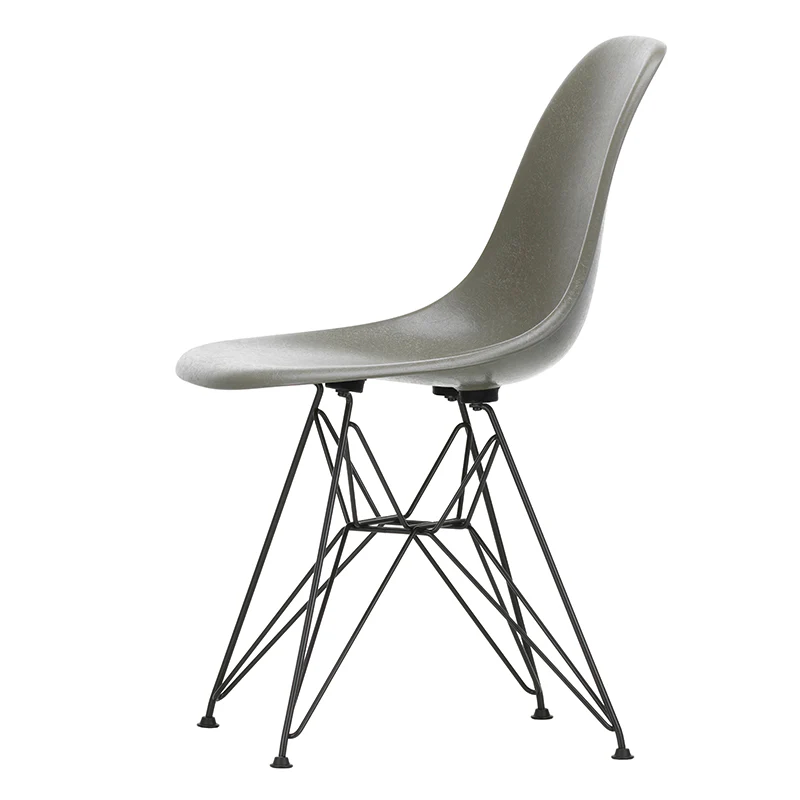
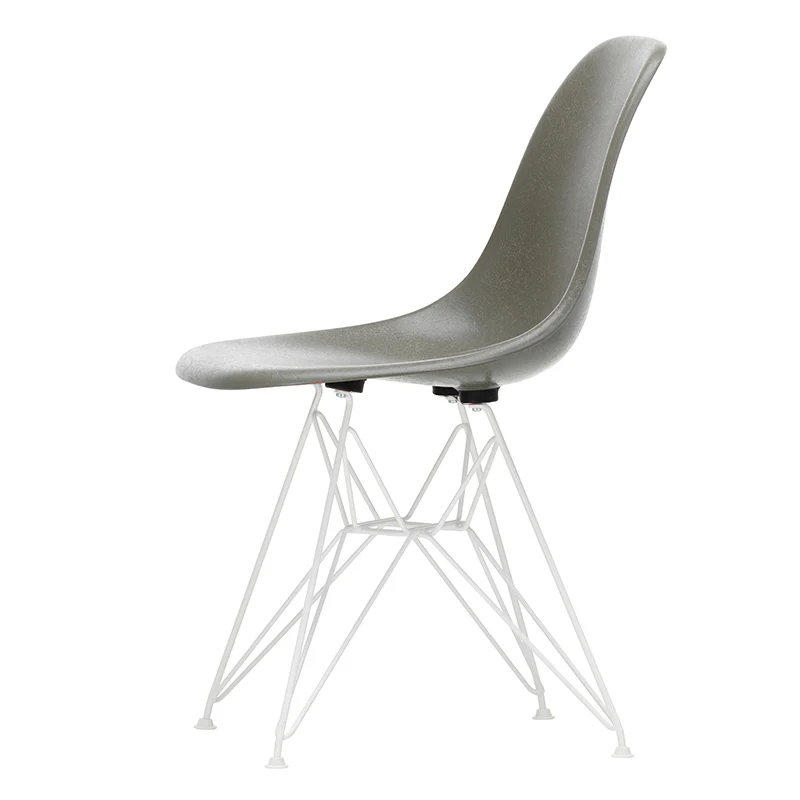
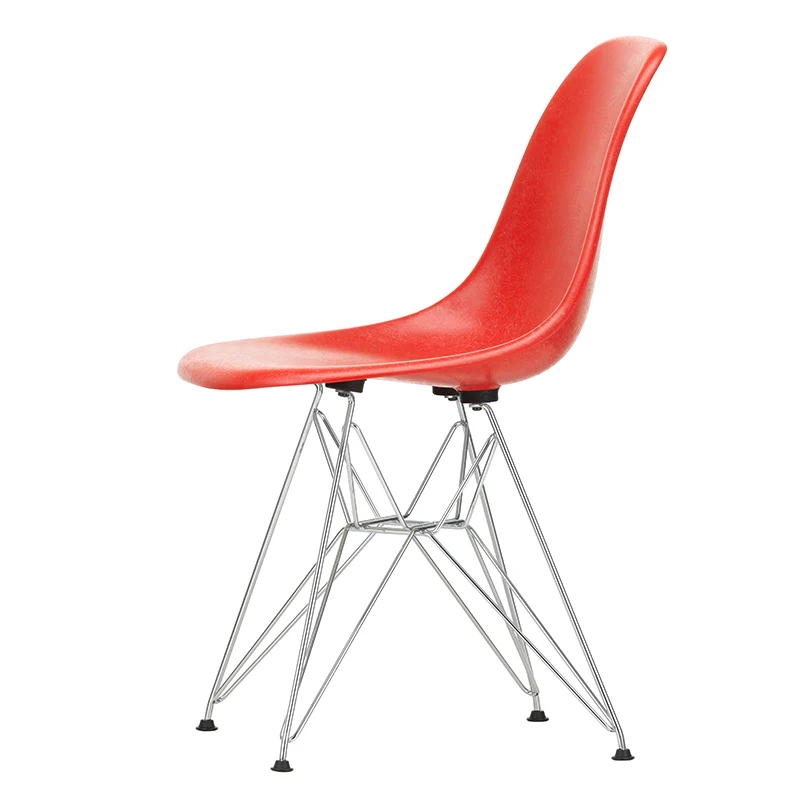
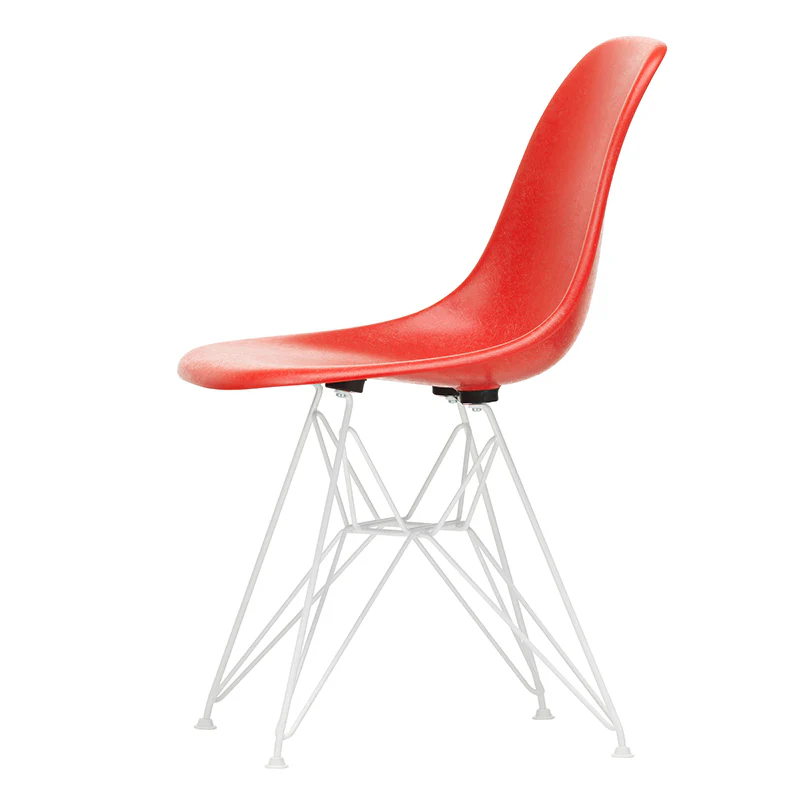
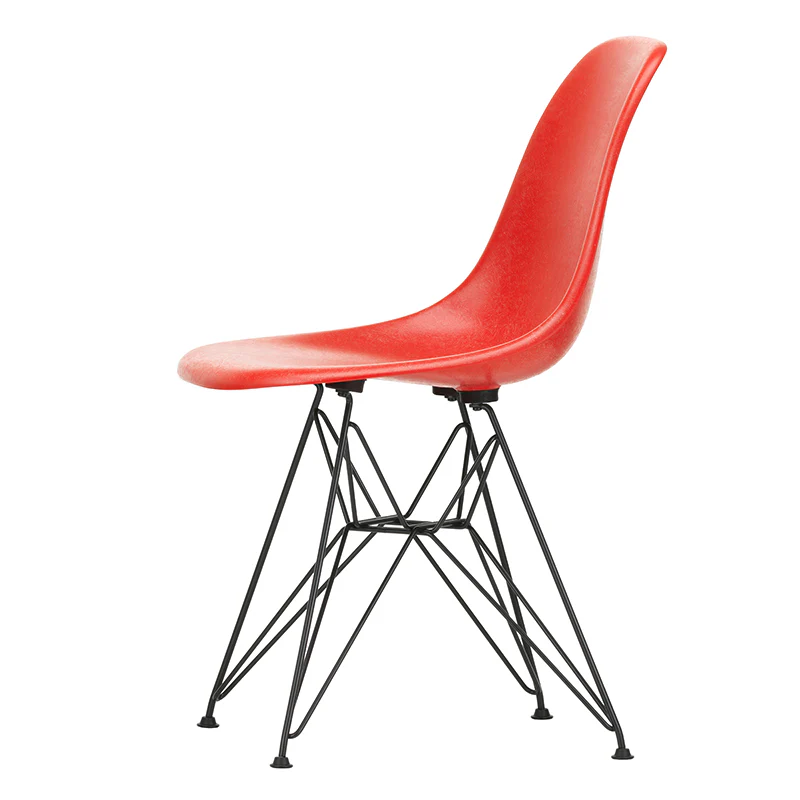
Vitra Eames Fiberglass Side Chair DSR
Vitra Eames Fiberglass Side Chair DSR
Manufacturer: Vitra
Designer: Charles & Ray Eames 1950
This is an original genuine Vitra piece.
In 1948, Charles and Ray Eames participated in the 'International Competition for Low-Cost Furniture Design', organised by the New York Museum of Modern Art, entering a chair with a seat shell moulded to fit the contours of the human body along with a concept for a variety of bases. Their design won second prize. However, the metal seat shell proved too complex and expensive to achieve successful mass production.
The couple's search for alternative materials eventually led them to glass-fibre reinforced polyester resin, which until then had been primarily restricted to military applications such as aircraft radomes and cockpit covers. The Eameses recognised and fully exploited the advantages of fibreglass: mouldability, rigidity and suitability for industrial manufacturing methods. With this material, which was previously unknown in the furniture industry, they successfully developed the moulded seat shells for mass production: the Fiberglass Chair was born. Its organically shaped, one-piece shell proved to be a much-admired innovation at a time when chairs typically consisted of a seat and backrest. Fibreglass offered the added advantage of pleasant tactile qualities and a perfectly moulded form for optimal comfort.
Original: $1,027.20
-70%$1,027.20
$308.16Product Information
Product Information
Shipping & Returns
Shipping & Returns
Description
Manufacturer: Vitra
Designer: Charles & Ray Eames 1950
This is an original genuine Vitra piece.
In 1948, Charles and Ray Eames participated in the 'International Competition for Low-Cost Furniture Design', organised by the New York Museum of Modern Art, entering a chair with a seat shell moulded to fit the contours of the human body along with a concept for a variety of bases. Their design won second prize. However, the metal seat shell proved too complex and expensive to achieve successful mass production.
The couple's search for alternative materials eventually led them to glass-fibre reinforced polyester resin, which until then had been primarily restricted to military applications such as aircraft radomes and cockpit covers. The Eameses recognised and fully exploited the advantages of fibreglass: mouldability, rigidity and suitability for industrial manufacturing methods. With this material, which was previously unknown in the furniture industry, they successfully developed the moulded seat shells for mass production: the Fiberglass Chair was born. Its organically shaped, one-piece shell proved to be a much-admired innovation at a time when chairs typically consisted of a seat and backrest. Fibreglass offered the added advantage of pleasant tactile qualities and a perfectly moulded form for optimal comfort.